


Cat Coffee Shop

Tomodachi Life: Living the Dream

Joy Pony

Game of Farmers

Life The Game

Good Coffee, Great Coffee

Cinema Simulator























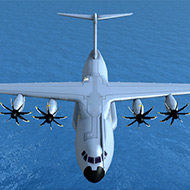
You are strapped into the cockpit of Turboprop Flight Simulator with the engine already sputtering, and the first thing you learn is that this is not really a game about smooth takeoffs and clean landings. It is about staying calm long enough to get the aircraft down in one piece after something has already gone wrong.
The core tension comes from handling controls that are already fighting you, rather than flying a stable plane through open sky. Small, deliberate corrections tend to work better than large panicked ones, since overcorrecting a damaged aircraft usually makes an unstable descent worse instead of fixing it. Reading the instrument panel calmly, rather than reacting to every warning light at once, is the skill the early minutes are quietly testing.
There is no elaborate story layered on top of the core loop. The tension comes entirely from the mechanical challenge of keeping a struggling aircraft under control long enough to reach some kind of safe landing, which keeps sessions short and replayable rather than demanding a long commitment.
Turboprop Flight Simulator does not lean on elaborate systems to stay interesting. The narrow window between overcorrecting and losing control entirely is tight enough that even a short session tests real focus, and players who enjoy stripped-down, mechanically focused challenges tend to get more out of it than players expecting a broader simulation with multiple aircraft or destinations.
The lack of variety beyond the core scenario is the most common critique attached to games built around a single tense situation like this one, and it is a fair one. What is there, though, holds up: the moment a wobbling descent finally levels out under your control is a small, genuine payoff every time it happens.
Players who enjoy tight, mechanical challenges tend to replay Turboprop Flight Simulator specifically to shave time off a controlled descent, treating a smooth recovery almost like a speedrun target rather than a one-time scenario. Players who prefer variety in their objectives generally get less mileage out of it, since the core situation does not change meaningfully between attempts.
Because the challenge resets cleanly each time, a few minutes is enough for a full attempt in Turboprop Flight Simulator, which makes it easy to fit into a short break rather than needing a longer session to feel worthwhile.