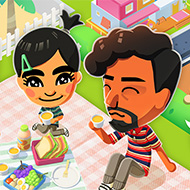
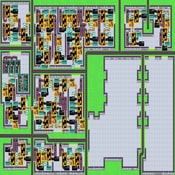
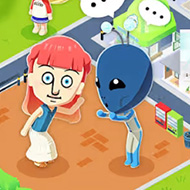
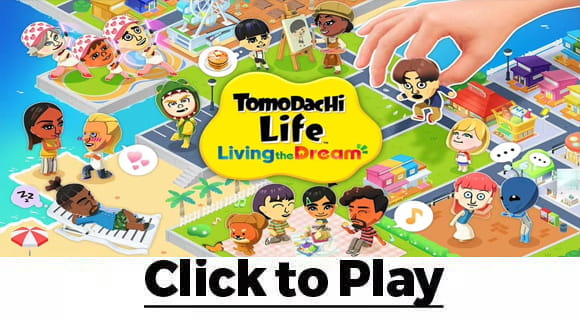
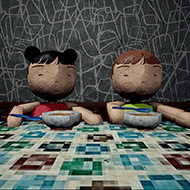
In Tomodachi Life: Living the Dream you start with a handful of Mii residents living in an apartment building, which matters because every friendship, argument, romance, and family on the island grows from those first personalities. The game is built around observing and influencing daily life rather than controlling every action directly. A resident might ask for a new outfit, another could develop a crush, and someone else may be upset after an argument. Those small requests create the rhythm that keeps players checking the island throughout the day. Unlike many life simulators, progress is measured less by expansion and more by the stories that emerge from interactions between Miis. After only a few days, most islands begin developing relationships and rivalries that feel completely unique.
Life Progression in Tomodachi Life: Living the Dream
During the early stages of the game, most activities revolve around helping residents with simple problems. Miis ask for food, clothing, hats, interiors, and advice about their social lives. Each completed request grants money, treasures, or experience points that increase a resident’s level. Leveling residents unlocks additional gifts such as disposable cameras, travel tickets, music boxes, and other items that generate new interactions. A growing island gradually opens more shops and locations, giving players additional customization options.
New players often assume that happiness comes mainly from expensive gifts. In reality, discovering favorite foods and responding to requests consistently tends to have a larger impact. Learning what each resident likes becomes an important part of island management. Some foods trigger especially enthusiastic reactions, while disliked meals can produce hilarious expressions that experienced players immediately recognize.
One recognizable moment happens when multiple problem icons appear at the same time above apartments. Experienced players immediately know that a busy session is about to begin, especially when romantic situations start developing. A single visit can lead to friendship requests, arguments, confessions, and leveling rewards in rapid succession.
Collectors often focus on unlocking every available interior theme because apartment customization becomes a major long-term objective. Meanwhile, players who enjoy emergent storytelling tend to pay closer attention to social developments than item collections.
Relationships and Island Drama in Tomodachi Life: Living the Dream
Relationships are the feature most frequently discussed by the community. Friendships develop naturally as residents spend time together, while romance appears through confessions and special events. A Mii may decide to confess feelings unexpectedly, creating some of the most memorable moments in the game. Some confessions take place at recognizable locations such as the Fountain, the Rooftop, or the Beach, and long-time players often remember exactly where important relationships began.
Players often use the term “shipping” when hoping that two specific residents become a couple. The game does not guarantee those outcomes, which creates both excitement and frustration. Many island stories involve a carefully planned pairing failing because a confession was rejected. This unpredictability is one of the main reasons why community discussions remain active years after players create their islands.
By the time children begin appearing, the social structure becomes much more complex. Families create new interactions and requests that were impossible during the first days of island development. Watching a child grow through different stages and eventually become an adult remains one of the most distinctive features available on the island.
Story-focused players often enjoy these unpredictable events the most, while completionists may spend more time collecting every interior design, outfit, and special item. Both approaches reveal different parts of the simulation because relationships and collections constantly interact.
One divisive aspect is that players can influence relationships but cannot directly control them. Even a friendship labeled as highly compatible may never become romantic, which some players appreciate and others strongly dislike.
Features Many Beginners Overlook
Favorite Foods can be more valuable than many newcomers realize. Discovering loved foods creates strong positive reactions, while hated foods generate memorable animations and useful information about each resident. Dedicated players often keep track of preferences because favorite foods help residents gain happiness quickly and can produce valuable rewards.
The Concert Hall is another feature that some players ignore at first. Writing lyrics and watching Miis perform songs becomes one of the most unique forms of customization available on the island. The performances are especially entertaining because the game automatically adapts voices to different residents, creating combinations that range from surprisingly good to completely absurd.
Another overlooked feature is apartment interiors. Different room styles dramatically change the atmosphere of a resident’s home and help make individual Miis feel distinct. A futuristic interior creates a very different impression than a traditional Japanese-style room or a luxury suite.
Travel Tickets are also more important than they initially appear. Giving a ticket to a resident can trigger special outings and relationship improvements, making them useful for players hoping to encourage social development between specific Miis.
Community Discussions and Common Criticism
One divisive aspect of the game is how much depends on hidden systems and randomness. Players can encourage certain outcomes, but they cannot directly control every friendship or romantic relationship. The exact calculations behind compatibility remain largely invisible during normal play.
Some people love this unpredictability because it creates organic stories. Others find it frustrating when a long-planned relationship never develops despite repeated interactions. Discussions about relationship mechanics remain common across fan communities because different islands often produce completely different results.
The balance between player influence and random events remains one of the most debated topics among long-time fans. Another frequently discussed issue involves waiting for residents to generate requests. During quiet periods, players may feel that little is happening until new social events appear.
Despite these criticisms, many players consider unpredictability the game’s defining strength. The most memorable stories often emerge from situations that nobody planned.
Frequently Asked Questions
How can I help two Miis become friends?
Friendships usually grow through repeated interactions between residents. Watching apartment conversations and responding to social requests increases opportunities for Miis to spend time together and improve their relationship status. Travel Tickets can sometimes encourage positive interactions, and maintaining active participation on the island helps generate more social events.
Can Miis get married quickly?
Marriage requires a successful romantic relationship and eventually a proposal event. Even after reaching that stage, the proposal mini-game must be completed successfully for the wedding to happen. Players searching for ways to speed up marriage should understand that relationship progression still depends heavily on interactions generated by the simulation.
What happens when a child grows up?
Once a child reaches adulthood, players can choose whether the new adult remains on the island or travels away. This decision affects the future population and social structure of the island. Adult children can form friendships, develop romantic relationships, and participate in the same activities as other residents if they remain.
Tomodachi Life: Living the Dream remains memorable because every island develops its own stories. Whether you are helping a Mii prepare a confession, creating songs in the Concert Hall, managing relationships through Travel Tickets, or watching families grow through the apartment building, the interactions between residents constantly create situations that could only happen on your particular island.