
Simulation Games









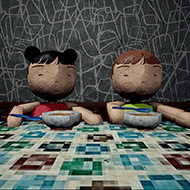
Life has a rhythm to it — routines, choices, small decisions that shape bigger outcomes. Simulation Games capture that rhythm in a playable form, letting you build, manage, and shape a world that responds to what you do. On Tomodachi Life, this category brings together titles built around everyday systems, social interactions, and personal creativity.
What Sets Simulation Games Apart
Unlike titles built around a single objective, Simulation Games rarely hand you a finish line. Instead, they hand you a system — a household, a town, a set of characters with needs and personalities — and ask you to keep it running. Progress here looks different: it’s measured in relationships formed, spaces designed, and routines established rather than levels cleared. That open structure is part of the appeal, since every session can take a different shape depending on your mood and priorities. There’s no fixed script telling you what happens next, which means the direction of a session is largely up to you and the characters you’re guiding.
Common Types You’ll Find in This Category
The label covers more ground than people expect, and Simulation Games rarely fit into just one mold. A few recurring formats show up again and again across the category:
- Life and household management — juggling daily tasks, budgets, and relationships for a cast of characters
- Social and community builders — shaping how characters interact, form friendships, or resolve conflicts
- Design and construction — arranging homes, rooms, or shared spaces with a focus on layout and style
- Character-driven storytelling — watching personalities develop through choices you guide but don’t fully script
- Resource and time management — balancing limited hours or materials across competing goals
- Event and milestone systems — birthdays, seasonal changes, and small occasions that punctuate everyday routines
Building Everyday Experiences Into Play
What makes Simulation Games distinct within this category is how closely they mirror ordinary routines while still leaving room for the unexpected. A character might wake up cranky, strike up an odd friendship, or develop a habit you didn’t plan for. These small surprises give Simulation Games their staying power — the systems are grounded enough to feel familiar, but flexible enough to produce moments that surprise even a returning player. Over time, the accumulation of these small moments tends to matter more than any single decision, since a household or town is really just the sum of everything that’s happened to it so far.
Character Customization and Social Dynamics
A large part of this category, and of Simulation Games more broadly, revolves around the people you create and guide. Appearance, personality traits, and quirks all feed into how a character behaves and how they get along with others around them. Watching two characters you designed separately develop an unexpected rivalry or friendship is often more memorable than any scripted event could be. This is where Simulation Games lean furthest from traditional structured play — the outcomes emerge from the combination of systems rather than from a fixed script. Small personality differences can send two otherwise similar households down very different paths, which is part of why replaying the same setup rarely produces the same story twice.
Designing Spaces and Managing Resources
Alongside the social side, a good portion of this category is about arrangement and planning. Whether it’s laying out rooms, organizing shared spaces, or balancing a limited budget across competing needs, these mechanics reward patience and a bit of foresight. Simulation Games in this vein tend to appeal to players who enjoy tinkering — nudging a layout until it feels right, or reshuffling priorities after noticing a routine isn’t working the way it should. The satisfaction here comes less from winning and more from watching a plan come together the way you pictured it.
Getting the Most Out of This Category
A few habits tend to make these titles more rewarding over time:
- Let routines settle before making major changes, so you can see how small adjustments ripple outward
- Pay attention to individual character traits instead of treating everyone the same way
- Set your own loose goals, since there’s rarely a required objective to chase
- Revisit earlier decisions occasionally — many systems keep evolving even when you’re not actively steering them
- Mix short sessions with longer ones, since some outcomes only appear after sustained play
- Keep notes on what triggered a particular event, since patterns aren’t always obvious the first time around
Who Tends to Enjoy This Category
Simulation Games attract a wide range of people precisely because they don’t demand a particular play style. Some players gravitate toward the design and organizational side, spending most of their time arranging spaces or planning layouts. Others are drawn to the social threads — tracking relationships, personalities, and the small dramas that unfold between characters. Because there’s no single correct way to engage with the systems, the same title can feel completely different depending on who’s playing it and what they choose to focus on. This flexibility is part of why the category holds up well over repeated sessions instead of feeling used up after one pass.
Pacing and Long-Term Engagement
One trait shared by most Simulation Games is a slower, layered pace compared to titles built around quick objectives. Progress unfolds gradually — a friendship deepens over several sessions, a household budget balances out only after a few adjustments, a room finally looks the way you imagined after several rounds of rearranging. This pacing rewards players who don’t mind returning to the same setting repeatedly, since it’s usually the accumulation of small decisions, rather than any single moment, that defines how a session ultimately turns out. It also means there’s rarely a wrong time to step away and pick things back up later, since most systems keep their state exactly where you left it.
Finding the Right Fit
Since this category spans household management, social simulation, and creative design, it helps to think about what draws you in before picking a title. If you enjoy planning and organization, look for entries with strong customization tools and flexible layout systems. If character dynamics interest you more, favor titles with deeper personality systems and more unpredictable social outcomes. Browsing a few different entries before settling into one is often the best way to find a fit that matches your pace and interests, since Simulation Games can vary quite a bit in tone even when the underlying systems look similar on the surface. Some lean playful and lighthearted, while others take a quieter, more reflective approach to the same basic ideas.
Why This Category Keeps People Coming Back
Compared to titles with a clear win condition, Simulation Games tend to hold attention differently. There’s always another relationship to nurture, another layout to refine, another small event waiting to unfold. That open-endedness can feel less urgent than a scored challenge, but it also means there’s no natural stopping point telling you the experience is over. Many players find themselves returning not because there’s an objective left to complete, but simply to check in on how things have developed since the last visit — much like revisiting a familiar neighborhood to see what’s changed.
Simulation Games work best as an ongoing habit rather than something you finish and set aside. Systems evolve, characters develop, and small changes accumulate into outcomes you couldn’t have predicted at the start. Approached that way, this category rewards patience and curiosity as much as any strategic skill, offering a kind of play that keeps unfolding the longer you stay with it.