


Cat Coffee Shop

Factory Idle

Tomodachi Life

Become A Dentist

Joy Pony

Fox Simulator 3D

Life The Game
>



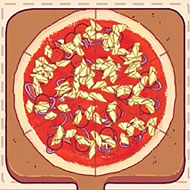






In Life The Game you start with a birth sequence that lasts only a few seconds, which matters because the entire structure depends on rapid transitions between different stages of life. One moment you are timing spoon movements during baby feeding, and minutes later you are answering exam questions, surviving office routines, or navigating awkward dating scenes. The game compresses decades into fast minigames, but each section introduces different reaction patterns and failure conditions. That constant shift keeps players alert because no mechanic stays active long enough to become comfortable. Players who expect a relaxed simulator are usually surprised by how quickly the pacing changes once school and driving challenges begin appearing back to back.
| Genre | Life simulation minigame collection |
| Main Sections | Birth, School, Dating, Office, Retirement |
| Core Mechanic | Completing timed life-stage minigames |
| Failure Pattern | Missing reaction windows during transitions |
The early school sequence teaches players how strict the timing windows become later. Missing simple notebook interactions during childhood usually feels harmless, but advanced office sections demand much faster reactions. Players often call the difficult transition periods “speed spikes” because the game abruptly changes pacing without warning. That unpredictability is one reason challenge runners replay the full campaign repeatedly. Once the driving school sequence appears, reaction timing becomes much less forgiving and mistakes begin stacking rapidly.
Dating scenes become especially tense because dialogue timing and movement inputs overlap. Many players lose runs during restaurant interactions simply because they rush conversations too quickly. The restaurant waiter sequence forces players to split attention between dialogue prompts and movement controls, which creates pressure very different from the classroom sections. Community discussions often compare those scenes to rhythm games because maintaining steady pacing matters more than raw speed.
Casual players usually enjoy the comedy animations more than score optimization. Competitive players focus on perfect transitions between life stages because every delay affects overall completion times. Speedrunners even memorize exact animation lengths during childhood and office transitions so they can prepare inputs before prompts fully appear. Watching advanced runs makes the game look far more technical than newcomers expect.
Another long-tail question players search constantly involves how to survive the office stage consistently. Most successful players recommend staying calm during paperwork sorting instead of reacting instantly to every document. The office sequence punishes panic because rushed movements often create chain mistakes that become impossible to recover from before retirement appears.
One sound almost every player remembers is the failure buzzer during driving school. The abrupt noise arrives milliseconds after a missed turn signal, creating a surprisingly stressful moment compared to the lighter early sections. By the time retirement appears, most players already associate specific sound effects with upcoming difficulty spikes. That audio conditioning becomes part of the rhythm during repeated playthroughs. Experienced players can often identify approaching failure simply by hearing slight tempo changes in the background music.
The office coffee sequence is another famous section because multitasking mistakes rapidly snowball. Missing one document often causes several follow-up failures within seconds. Players frequently describe these collapses as “desk spirals” because one error immediately disrupts the entire workflow. Once coffee delivery overlaps with paperwork sorting, the game intentionally overwhelms players who rely entirely on reaction speed instead of pattern recognition.
Another recognizable moment happens during school exams when answer prompts suddenly accelerate after several correct responses. Long-time players know the pace increase is coming, but newcomers often freeze because the game barely signals the transition beforehand. That abrupt escalation creates some of the funniest failure clips shared in community videos.
Some community members criticize the uneven challenge balance between stages. The romance and driving portions feel much harder than the baby or retirement sections, which creates inconsistent pacing across the campaign. Others enjoy that imbalance because unexpected difficulty changes mirror the chaotic humor the game aims for. Debate also continues around whether the driving sequence relies too heavily on memorization compared to the reflex-based office sections.
Input buffering helps advanced players survive crowded sequences where multiple prompts appear almost simultaneously. Instead of reacting after every animation finishes, experienced players prepare movements slightly early to maintain rhythm. Newcomers usually wait too long and become overwhelmed once office paperwork and coffee tasks overlap. Once retirement approaches, maintaining that rhythm becomes more important than perfect accuracy because panic creates larger mistakes than occasional missed prompts.
The game also rewards memorization more than many people realize. Certain school answers and workplace patterns repeat consistently, allowing long-term players to clear sections almost automatically after enough runs. That repeat structure explains why speedrunning communities formed around what initially looked like a casual comedy game. Some players even create personal shorthand names for recurring office patterns and driving signal combinations.
Achievement hunters tend to replay dating scenes searching for perfect outcomes, while reflex-focused players spend more time practicing the driving test. Different stages attract completely different audiences despite sharing the same campaign structure. Completion-focused players often memorize every retirement interaction because small mistakes late in the game feel especially frustrating after surviving earlier sections.
Another detail players rarely forget is how quickly office tasks escalate once several unfinished papers pile up simultaneously. The game intentionally pressures players into rushed decisions, yet slower and more deliberate movement usually produces better results. Learning when not to react becomes one of the most important advanced skills.
Players often describe difficult retirement runs as “collapse endings” when stress accumulates from repeated mistakes earlier in the campaign. Those failed runs usually begin with poor office management rather than mistakes during old age sections themselves. Searching for “how to survive office stage in Life The Game” often leads to advice about preserving rhythm long before retirement appears. Experienced players usually recommend treating the school and dating sequences like preparation for the much harsher multitasking sections later.
Another common question involves whether relationship outcomes affect later gameplay. Certain dating successes slightly alter animations and pacing, though the major life-stage structure remains unchanged. Players who perform well during restaurant conversations sometimes receive smoother scene transitions afterward, though the core challenge progression remains consistent regardless of romantic outcomes.
The school exam sequence also creates debate because some players think random answer layouts unfairly punish memorization strategies. Others argue that adapting quickly is the entire point of the game. The disagreement became especially common in challenge communities where players compare high-speed completion attempts and low-mistake runs.
One subtle detail many players recognize appears during retirement scenes when background animations slow dramatically after intense office sections. The calmer pacing feels intentional because the game finally releases tension built throughout the previous stages. That contrast between frantic multitasking and quiet retirement moments gives the ending more impact than many people expect from a comedy-focused minigame collection.
Life The Game remains memorable because every stage transforms ordinary routines into rapid reaction challenges connected through humor and constant pacing shifts. The mixture of school exams, driving tests, office paperwork, restaurant dates, and retirement scenes gives the game a strange identity that players instantly recognize after hearing a single failure buzzer. Fans still compare strategies for surviving the office coffee sequence because that moment usually determines whether a run collapses long before retirement finally appears.