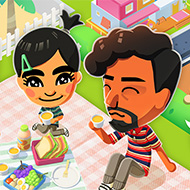
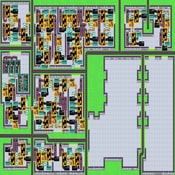
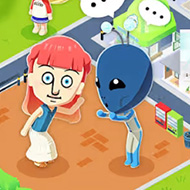
What happens when a Mii relationship survives three arguments in a single in-game week? That question drives much of the discussion around Tomodachi Life 2 because players immediately notice how expanded social systems create longer emotional chains between residents. The sequel increases interaction density through larger island districts, more apartment events, and additional personality reactions that affect compatibility over time. Strategy-minded players often spend the first hours organizing neighborhoods before focusing on clothing collections or songs. Some returning players from the earlier island structure become overwhelmed quickly because social conflicts spread much faster once several districts unlock simultaneously.
Social Momentum Systems in Tomodachi Life 2
Tomodachi Life 2 introduces more layered reactions during conversations, especially when multiple Miis enter the same event scene. In earlier sessions, a disagreement between Hana and Victor could disappear quickly after one apology. Here, unresolved tension lingers through later activities like beach walks or café visits. The game pushes players to monitor emotional momentum instead of solving isolated requests one by one. Advanced players often keep specific friend groups separated during stressful festival periods because repeated conflicts can lower social compatibility across an entire apartment wing.
Once the Marina District unlocks, friendships evolve faster because Miis gather there automatically during evening cycles. Community discussions often call this behavior “social stacking” because several relationship changes can trigger from a single location visit. Players who enjoy sandbox storytelling usually spend long sessions observing these chain reactions instead of maximizing currency. Simulation-focused players frequently compare the Marina District with the Rooftop because conversations near water locations seem to trigger more confession attempts during nighttime schedules.
Some criticism focuses on pacing. Large islands with more than 80 residents occasionally create too many overlapping requests, making apartment management harder than in the previous game. Completionist players sometimes spend entire sessions clearing emotional conflicts before touching customization systems. One recognizable player detail appears during late-game evenings when several friendship icons flash simultaneously across apartment floors, creating the exact kind of “icon flood” screenshots often shared in community forums.
Fashion Economy and Apartment Expansion in Tomodachi Life 2
The expanded clothing economy changes progression significantly. Boutique rotations now include seasonal outfits tied to weather conditions, and favorite styles influence social compatibility during public events. Giving streetwear to Naomi may improve confidence interactions, while formal clothing increases success during confession scenes at the Fountain Plaza. Dedicated collectors often reset store inventories repeatedly to complete themed apartment sets. Some fashion-focused players even coordinate outfit colors across entire friend groups because synchronized appearances produce unique reactions during festival scenes.
By the time players reach the Skywalk area, interior customization becomes one of the most important long-term mechanics. Expensive room themes affect relaxation speed after arguments, especially for Independent personality groups. The game never explains this directly, which is why forum communities constantly debate hidden compatibility modifiers. Cozy interiors like the Traditional Japanese Room often calm stressed residents faster than novelty themes, although some players think the effect depends more on personality categories than furniture design.
One recognizable detail appears during crowded restaurant scenes. When several Miis laugh simultaneously, the audio overlap creates a strange echo effect that longtime players immediately recognize during livestreams. Another subtle detail happens after midnight, when apartment lighting changes slightly during unresolved relationship conflicts. Players who regularly monitor late-night interactions often notice emotional shifts before speech bubbles even appear the next morning.
The fashion economy also creates difficult money-management decisions. Buying luxury interiors for couples like Liam and Erika can stabilize marriages, but expensive spending slows progress toward festival upgrades and rare collectibles. Casual players sometimes ignore this balancing system entirely, while optimization-focused players calculate exact spending patterns to maximize compatibility growth across several apartment blocks.
Performance Challenges Inside Tomodachi Life 2
Concert events became more complex because choreography now changes based on relationship status. Duets between close friends unlock extra animations, while rival characters occasionally miss timing intentionally. Rhythm-focused players usually spend more hours in performance mode than apartment management because songs now contain branching audience reactions. Once the Harbor Stage opens, failed relationships can even interrupt rehearsals with awkward pauses and altered dialogue.
The Dream House district also introduces difficult balancing decisions. Supporting one married couple with Travel Vouchers may accidentally weaken another friendship group because event schedules overlap. This indirect management system is one reason some players describe the game as “controlled chaos” on discussion boards. Story-driven players often enjoy these unpredictable consequences more than min-max players who prefer direct control over outcomes.
Compatibility Charts remain popular community tools because the hidden personality system still affects romances more than visible happiness meters. Advanced players frequently compare speech styles, favorite foods, and apartment proximity before setting up confession events. Some players maintain spreadsheets tracking personality combinations because repeated failures during Harbor Festival confessions become frustrating without careful planning.
Concert mechanics also contain one of the most divisive systems in the game. Certain personality groups intentionally improvise during performances, which some players find hilarious and others find disruptive. The debate appears constantly in fan discussions because ruined choreography can either create memorable comedy or completely derail carefully organized music groups.
Conflict Escalation Across Tomodachi Life 2
Arguments feel harsher because Miis remember repeated conflicts for longer periods. A failed apology between Liam and Erika can influence later festival events and reduce cooperation during group activities. Early in the game, these effects seem minor, but once the Harbor Festival appears, unresolved rivalries create visible disruptions across multiple districts. Some players intentionally provoke rivalries because chaotic islands generate more dramatic event chains and unexpected confession scenes.
Exploration fans usually appreciate the expanded island layout, while players who preferred shorter management sessions sometimes think the sequel demands too much attention. That divide appears constantly in community debates about pacing and resident limits. The apartment tower also becomes physically harder to manage once several child residents begin generating overlapping school and family events.
One moment longtime players recognize instantly happens during silent apology scenes near the Fountain Plaza. Characters briefly pause before responding, and experienced players can often predict rejection outcomes simply from the animation timing. That tiny behavioral detail became famous in reaction compilations because disappointment arrives seconds before the dialogue appears.
Can players force specific romances in Tomodachi Life 2?
Direct control still remains limited, but apartment placement, Travel Vouchers, and shared activity invitations heavily influence compatibility. Many players place likely couples near Fountain Plaza because evening encounters trigger there frequently. Relationship-focused players also monitor Marina District schedules because repeated shared outings increase confession success rates noticeably during late-game sessions.
Why do some Miis avoid group conversations?
Independent and Reserved personality types participate less often in crowded social scenes. Players commonly solve this by increasing mood through favorite foods before major gatherings at the Marina District. Special interiors and successful duet performances can also encourage quieter residents like Naomi or Victor to participate in larger festival events.
What changes most during late-game island management?
Late progression focuses more on maintaining stability than unlocking items. Once children, concerts, and seasonal festivals overlap, the challenge becomes preventing emotional spirals between multiple friendship circles. Many advanced players eventually create dedicated apartment zones for couples, performers, and high-conflict personalities to reduce social chaos.
Tomodachi Life 2 stands out because locations like the Marina District, Fountain Plaza, and Dream House create interconnected social stories rather than isolated comedy moments. Watching Hana storm out of a concert rehearsal after a failed apology gives the island a messy unpredictability that longtime players continue discussing. Even routine apartment visits can suddenly evolve into marriages, rivalries, or awkward public arguments once Harbor Festival activities begin affecting every resident simultaneously.