


Cat Coffee Shop
Tomodachi Life: Living the Dream

Joy Pony

Game of Farmers

Life The Game

Good Coffee, Great Coffee

Cinema Simulator























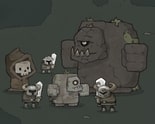
Right Click to Necromance looks like a throwaway joke of a title, the kind of game you expect to burn two minutes on and forget. What it actually demands is a real production chain: dig up bones, convert them into assistants, and keep reinvesting until a single click is generating more bone income than your first twenty minutes of manual digging ever could.
| Genre | Idle Clicker |
| Platform | Browser |
| Currency | Bones |
| Core Loop | Click to collect bones, hire assistants to automate collection |
Every run of Right Click to Necromance starts the same way: clicking directly on the ground to unearth bones and stray body parts one at a time. That manual phase never fully goes away, but it stops being the main source of income almost as soon as the first assistant is hired. Mummies are the earliest and cheapest hire, and they work automatically in the background even when you are not actively clicking, which is the moment the game shifts from a reflex test into a small economy to manage.
Scarabs come next and dig faster per unit of cost than mummies, which makes them the obvious upgrade path once bone income stabilizes. Sphinxes sit at the top of the early hire list and produce noticeably more, but they cost enough that buying one too early can stall the whole run by draining the bone stockpile needed to keep buying cheaper assistants in bulk.
The tension players run into is deciding how long to keep clicking manually before switching to a pure hire-and-wait strategy. Clicking through the first minute or two accelerates the early game meaningfully, but players who never stop clicking often under-invest in assistants because the manual income feels sufficient in the moment. The stronger long-term approach, and the one experienced players default to, is treating manual clicks as a bridge between purchases rather than a permanent income source.
One thing beginners consistently get wrong is spending every bone the instant they have enough for the next assistant. Holding a small reserve to catch a price dip or to afford two cheaper assistants back to back usually compounds faster than a single expensive purchase.
The game does not explain its own systems well, which is a fair criticism players raise about Right Click to Necromance in comment sections. There is no in-game tutorial walking through the mummy, scarab, and sphinx cost curve, so a lot of the early optimization comes from trial and error rather than any posted guide.
Because there is no defined ending, most sessions of Right Click to Necromance end when the player decides the current bone-per-second rate is good enough rather than because the game signals completion. Treating each sitting as a target, like doubling your sphinx count or clearing a specific bone milestone, gives the loop a natural stopping point instead of letting it run indefinitely in the background.
None of this makes Right Click to Necromance a deep management sim, but the small decision of when to stop clicking and start automating is exactly the kind of choice that keeps an idle game from playing itself. By the time your sphinxes are outproducing your original manual digging by a wide margin, that first joke of a title starts to feel like it undersold the whole thing.