


Cat Coffee Shop

Tomodachi Life: Living the Dream

Joy Pony

Game of Farmers

Life The Game

Good Coffee, Great Coffee

Cinema Simulator























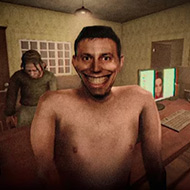
Photomaly hands you your father’s old photo studio and asks you to keep the shutter clicking no matter what walks through the door, because the moment you stop treating a customer like a normal customer is usually the moment something goes wrong.
| Genre | PSX-style Horror / Job Simulator |
| Developer | Enes A. Tural |
| Setting | An inherited photo studio |
| Release | 2026, PC (Steam) |
| Player Reception | Very Positive, 90% of user reviews |
The core loop in Photomaly is deceptively ordinary: restock your supplies, take a customer’s photo, develop the film, and hand over the finished print. None of it is complicated on paper, but the game keeps stacking small tasks on top of each other until a normal shift feels genuinely busy — mixing chemicals for the darkroom while a bell rings up front, choosing the right angle for a customer who won’t sit still, printing an order while another one is already waiting.
Players quickly pick up on the rule the game never states outright: keep working. Photomaly rewards staying in character as the studio’s operator even when a customer’s request stops making sense, and punishing curiosity — poking at something that clearly wants to stay unexamined — is one of the more common ways a first playthrough goes sideways.
The studio itself becomes a kind of character over time, since decorating it with your own prints and customizing the wallpaper gives each player’s save a slightly different feel by the time the stranger customers start showing up.
Photography isn’t reduced to a single button press. Finding the right angle, developing film under specific conditions, and preparing the final photo before it goes out the door are all separate steps, and rushing any one of them tends to produce prints customers reject — which costs you both time and money you’ll need for upgrades later. That friction is deliberate; it’s what makes the studio feel like a real job rather than a menu you’re clicking through.
Better equipment becomes available as profits come in, and upgrading your setup noticeably speeds up the darkroom process once you can afford it. Players who reinvest early tend to have an easier time keeping pace once the studio gets busier and the unusual customers start blending in with the ordinary ones.
One detail players bring up constantly is how the game never flags which order is the strange one — you’re expected to notice on your own, the same way you’d notice something off about a regular customer in real life.
Each customer who walks into the studio comes with their own quirks and backstory, and getting to know your regulars is genuinely part of the appeal — right up until one of them asks for something that makes you want to ask why. The game’s own warning is close to a thesis statement: don’t lose your cool, don’t tell anyone what you’ve seen, and lock your door. Ignoring any one of those has consequences.
Community discussion tends to center on which specific customer interactions are safe to push back on and which aren’t, since Photomaly doesn’t always telegraph the difference clearly. That ambiguity is genuinely divisive — some players love not being handed an obvious tell, while others find a few of the death triggers unfair on a first run, especially the customer sequence that several early reviews describe as an unexpected instant-fail maze buried in an otherwise manageable shift.
Careful players tend to memorize a customer’s first visit in detail before treating anything about a later one as normal, since Photomaly rewards noticing what’s different rather than what’s obviously wrong.
The solo developer behind Photomaly has been unusually communicative since launch, reading through reviews and discussion threads and responding directly to the most requested feature: an Endless Mode, currently in development. Given that one person is building and testing it alone, the community’s expectations have stayed realistic — most players seem more interested in it arriving polished than arriving fast.
Photomaly sold more than 10,000 copies in its first 24 hours on Steam, a number the developer has openly said still doesn’t feel real, and that early momentum has kept discussion threads active well past the initial launch window.
Most of the studio’s fatal moments punish players for treating a clearly abnormal customer interaction like a routine one. Slowing down, reading the room before snapping a photo or handing over a print, and backing off when a request feels wrong are the habits that keep a shift from ending abruptly.
Not yet — it’s officially in development following heavy community demand, but the solo developer has been clear that building and testing it properly, without a larger team behind them, will take time.
Decorating is optional but not purely cosmetic — a personalized studio doesn’t change the horror elements, but it does give slower shifts something rewarding to do with your profits between the unusual customer visits that define the rest of the game.
Photomaly earns its tension by making the mundane feel load-bearing, and it’s that inherited studio — chemicals, wallpaper choices, and all — that keeps players coming back to see which customer walks through the door next.